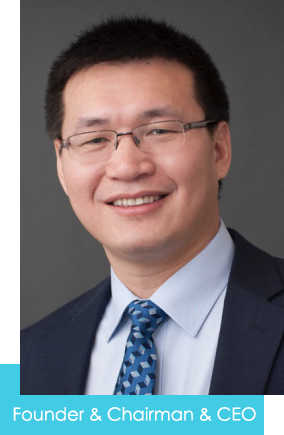
Dr. Hesheng Liu
Founder & Chairman & CEO
Professor of the Biomedical Pioneering Innovation Center at Peking University, and a top 2% scientist worldwide. Formerly served as: Director of the Laboratory for Human Brain Individual Differences at Massachusetts General Hospital, Harvard University, and tenured Full Professor at the Medical University of South Carolina.
As the global pioneer of individual brain functional imaging technology, he has long been engaged in brain functional imaging research and is recognized internationally as the foremost contributor in advancing functional MRI into clinical use. The personalized Brain Functional Sectors (pBFS) technology he developed was hailed by a Lancet sub-journal as a "turning point in neuroimaging."
Professor Hesheng Liu has authored or co-authored over 150 publications as first or corresponding author in top-tier neuroscience journals such as Nature Neuroscience, Neuron, Nature Communications, and PNAS, with total citations exceeding 24,000.
As the global pioneer of individual brain functional imaging technology, he has long been engaged in brain functional imaging research and is recognized internationally as the foremost contributor in advancing functional MRI into clinical use. The personalized Brain Functional Sectors (pBFS) technology he developed was hailed by a Lancet sub-journal as a "turning point in neuroimaging."
Professor Hesheng Liu has authored or co-authored over 150 publications as first or corresponding author in top-tier neuroscience journals such as Nature Neuroscience, Neuron, Nature Communications, and PNAS, with total citations exceeding 24,000.
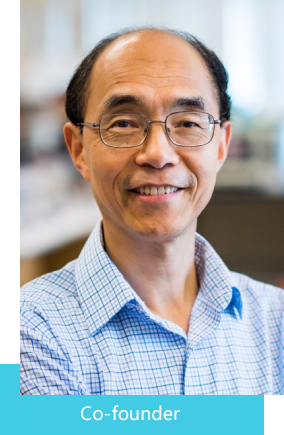
Dr. Guoping Feng
Co-founder
Member of the National Academy of Sciences, National Academy of Medicine, and American Academy of Arts and Sciences; Associate Director of the McGovern Institute for Brain Research at MIT, and Professor in the Department of Brain and Cognitive Sciences at MIT.
As a world-renowned neuroscientist, he is dedicated to researching brain synapses, neural circuit functions, and the pathogenesis of mental disorders. Building on his team's pioneering optogenetics animal models, he has systematically investigated the mechanisms of key neural circuits, including the thalamus. His work has significantly advanced the understanding of autism spectrum disorder, obsessive-compulsive disorder, attention deficit hyperactivity disorder, and has identified molecular targets for novel drug development.
As a world-renowned neuroscientist, he is dedicated to researching brain synapses, neural circuit functions, and the pathogenesis of mental disorders. Building on his team's pioneering optogenetics animal models, he has systematically investigated the mechanisms of key neural circuits, including the thalamus. His work has significantly advanced the understanding of autism spectrum disorder, obsessive-compulsive disorder, attention deficit hyperactivity disorder, and has identified molecular targets for novel drug development.
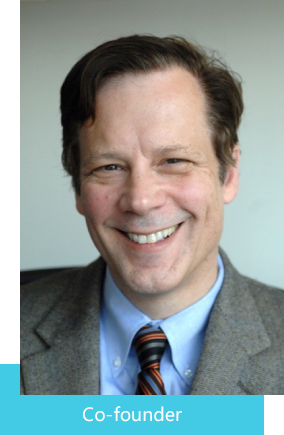
Dr. Robert Desimone
Co-founder
Member of the National Academy of Sciences, and American Academy of Arts and Sciences, and Director of the McGovern Institute for Brain Research at MIT. As the former Director of the National Institute of Mental Health (NIMH), he is recognized as one of the world's most distinguished brain scientists.
His research focuses on the cognitive control mechanisms of the prefrontal cortex, revealing the neural circuit basis of attentional regulation. He is internationally renowned for his groundbreaking studies on brain mechanisms underlying visual perception, attention, and executive control. His work has laid critical scientific groundwork for exploring novel treatments for brain disorders such as autism and schizophrenia.
His research focuses on the cognitive control mechanisms of the prefrontal cortex, revealing the neural circuit basis of attentional regulation. He is internationally renowned for his groundbreaking studies on brain mechanisms underlying visual perception, attention, and executive control. His work has laid critical scientific groundwork for exploring novel treatments for brain disorders such as autism and schizophrenia.