SCIENTIFIC RESEARCH
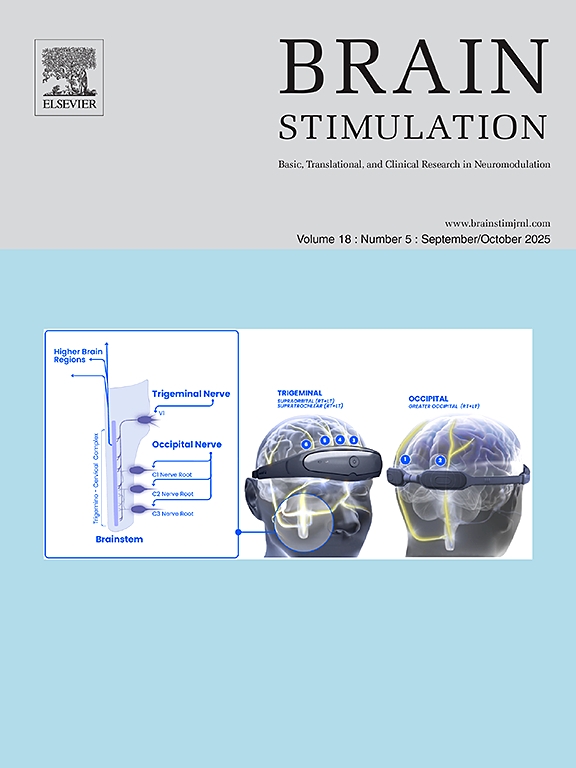
93% Treatment Response Rate: Individualized Brain Function Subdivision Technology Combined with High-Dose iTBS Solves Three Major Dysfunctions Post-Stroke.
Recently, a study published in the internationally renowned academic journal Brain Stimulation has brought new hope for patients with post-stroke cognitive impairment (PSCI). This randomized controlled trial, jointly conducted by Professor Hesheng Liu’s team at Changping Laboratory, Professor Hao Zhang’s team at China Rehabilitation Research Center, and several other institutions, explored the efficacy and safety of high-dose intermittent theta-burst stimulation (iTBS) combined with individualized neural function-targeted therapy in PSCI patients. The results demonstrated that this therapy has significant effects in improving patients’ cognitive function, with a treatment response rate of 93% and good safety.
Researches
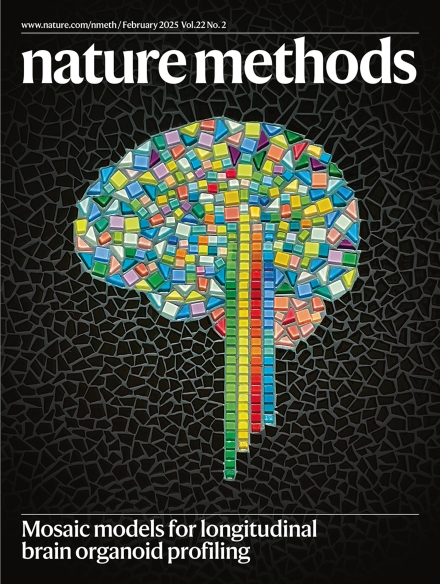
In modern medical research, neuroimaging technologies, particularly magnetic resonance imaging (MRI), have become vital tools for detecting brain diseases and exploring the mysteries of the brain due to their safety, non-invasive nature, and high resolution. However, with the explosive growth of imaging data in recent years, traditional neuroimaging preprocessing methods have struggled to meet the demands for rapid and large-scale processing.
The DeepPrep technology, developed by the research team led by Hesheng Liu at Changping Laboratory, has brought revolutionary changes to this field. The research findings were published online in Nature Methods on February 6, 2025.
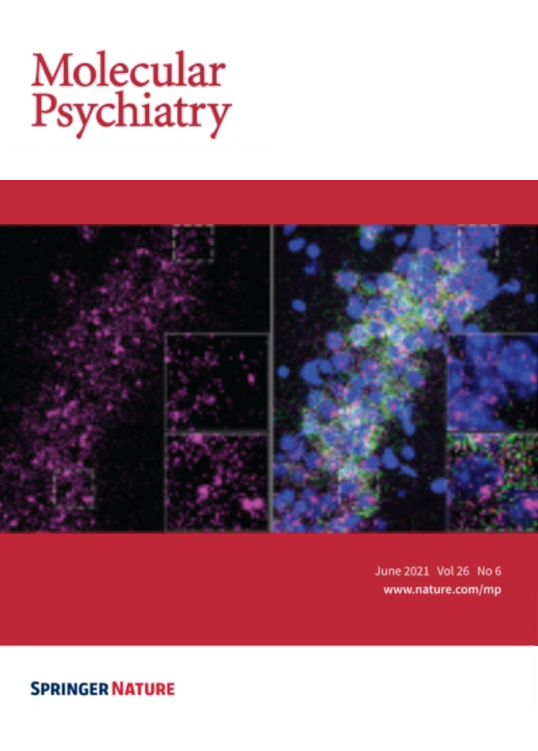
Contemporary models of psychosis suggest that a continuum of severity of psychotic symptoms exists, with subthreshold psychotic experiences (PEs) potentially reflecting some genetic and environmental risk factors shared with clinical psychosis. Thus, identifying abnormalities in brain activity that manifest across this continuum can shed new light on the pathophysiology of psychosis. Here, we investigated the moment-to-moment engagement of brain networks (“states”) in individuals with schizophrenia (SCZ) and PEs and identified features of these states that are associated with psychosis- spectrum symptoms...
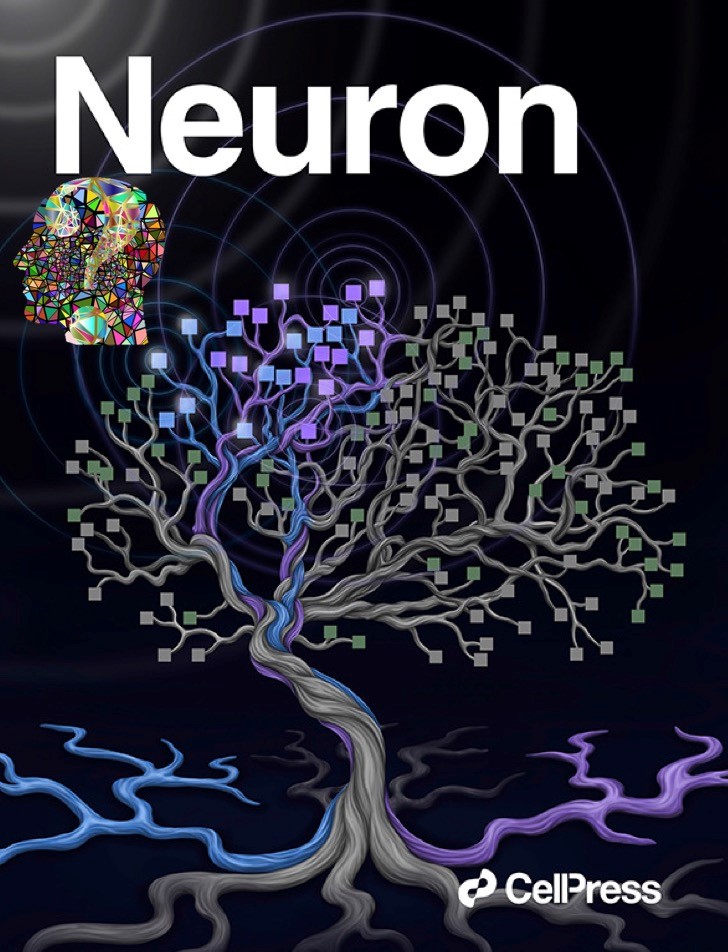
The fact that people think or behave differently from one another is rooted in individual differences in brain anatomy and connectivity. Here, we used repeated-measurement resting-state functional MRI to explore intersubject variability in connectivity.
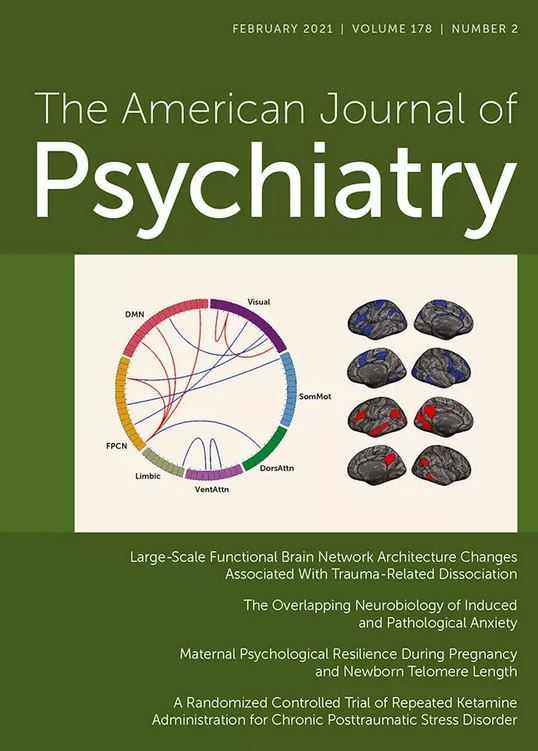
Dissociative experiences commonly occur in response to trauma, and while their presence strongly affects treatment approaches in posttraumatic spectrum disorders, their etiology remains poorly understood and their phe- nomenology incompletely characterized.